San Antonio Addiction Treatment for Older Adults: Age-Informed Care
Older adults make use of compounds for reasons that look different from the patterns that drive younger individuals. Retirement can upend regular, bereavement can hollow out every day life, and chronic discomfort or sleeping disorders can make a drink or a pill seem like relief as opposed to threat. Add in polypharmacy and slower metabolic process, and a dose that felt fine at 55 can come to be harmful at 70. When families in San Antonio call asking if therapy can truly assist their mother, daddy, or partner in their seventies, the response is indeed, but the care strategy needs to match the body, mind, and social realities of later life.
Age-informed care acknowledges that older grownups are not simply grownups with grey hair. Medical choices represent medical comorbidities, cognitive modifications, wheelchair and sensory problems, household characteristics, and the cultural material of the city. A program that treats a 28-year-old construction employee well might fizzle with a 72-year-old retired educator who consumes a glass of wine nightly for rest, takes a benzodiazepine for anxiety, and takes care of grandkids on weekend breaks. Effective addiction treatment in San Antonio for older adults starts with a various collection of concerns and develops a various sort of support.

Why material use looks various after 60
The aging body processes alcohol and drugs extra gradually. Lean body mass falls, complete body water drops, and the liver and kidneys typically clear drugs much less efficiently. 2 drinks can create a higher blood alcohol focus in a 70-year-old than in a 30-year-old. A common sedative dose might stick around right into the next afternoon. That sensitivity changes the danger account and makes withdrawal from alcohol or benzodiazepines extra unsafe, which is one factor clinicians keep a reduced limit for advising medically monitored detox in this group.
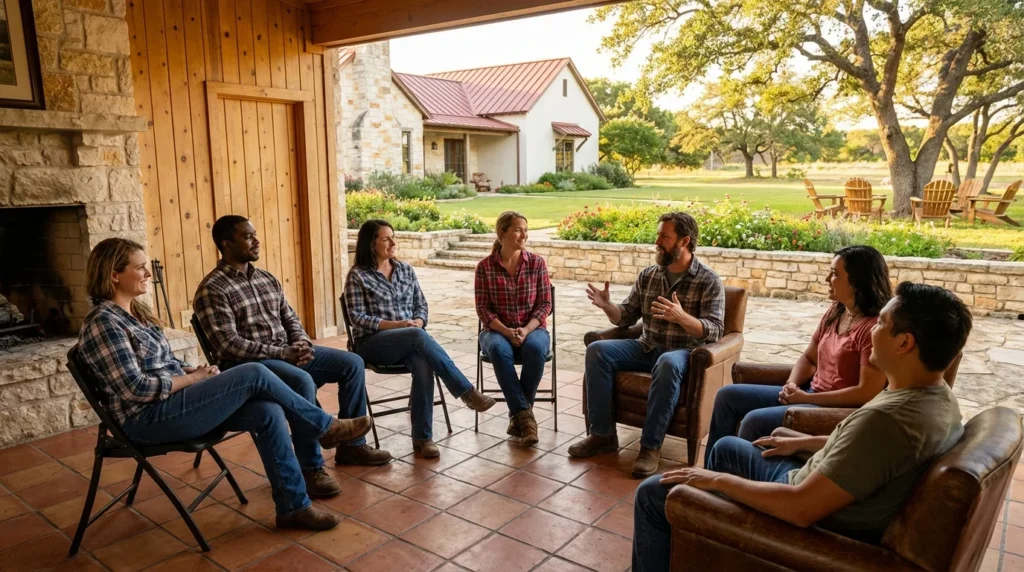
The social context shifts as well. Isolation rises when peers die, youngsters live farther off, or driving ends up being demanding. Rest gets lighter, pain flares more frequently, and appointments begin to increase. Health care doctors appropriately concentrate on high blood pressure, diabetic issues, arthritis, and drop danger. Yet discussions about alcohol or drug usage can get crowded out by the checklist of immediate products, particularly when a patient provides as respectful, tidy, and "high functioning." Country wide, older adults make up a considerable share of prescription medicine usage, generally reported as approximately one third of all prescriptions, and the mix of opioids, benzodiazepines, rest medications, and alcohol is a peaceful accelerant for drops, confusion, and hospitalizations. In technique, an older grownup might not identify their use as bothersome since it is suggested, socially approved, or very carefully allocated. They may likewise fear that confessing a problem will suggest shedding independence or the right to drive.
In San Antonio, society and belief customs matter. Several families live in multigenerational households, and caregiving frequently streams both instructions. A grandfather who consumes alcohol to reduce pain in the back might still be the one who picks up the kids from institution. A grandmother who mistreats sedatives may manage church finances or lead a ministry. Regard and privacy bring weight, and shame can maintain a problem behind closed doors long after it begins to damage. Programs that recognize these truths fulfill people where they are, without embarrassing them or inquiring to tip far from every little thing that provides their life shape.
The clinical layer: getting the application and the pace right
Medical security rests at the center of age-informed addiction treatment. That indicates slower tapers, even more constant surveillance, and a willingness to trade rate for security. It also suggests limited coordination with medical care, cardiology, pain administration, and psychiatry. A solid San Antonio program will certainly have established reference lines right into large systems like UT Health and wellness San Antonio or the VA, as well as connections with independent clinicians.
Alcohol. Cleansing for an older grownup ought to be prepared, not improvisated. The threat of ecstasy tremens is greater when cognitive book is lower, nutrition is inadequate, or multiple sedatives are onboard. Inpatient detox is typically appropriate for moderate to extreme dependence or any kind of history of seizures. Medicine choices tilt toward agents with shorter half-lives and fewer energetic metabolites. Thiamine is not optional. After stablizing, acamprosate is typically a great upkeep option due to the fact that it is renally cleared and stays clear of liver load. Naltrexone can minimize hefty alcohol consumption however requires cautious liver assessment and might make complex discomfort management if opioids are needed. Disulfiram remains an option for very supervised clients, but when reaction threat and polypharmacy are both high, it is made use of sparingly.
Opioids. Pain and opioids take a trip with each other in later life, and the line in between healing usage and reliance can obscure. When opioid use disorder is present, buprenorphine is often the very best fit for older adults because of its ceiling effect on respiratory depression and cleaner pharmacology. Beginning low, go slow-moving still applies. If methadone is thought about, ECG monitoring for QT prolongation and medication communication checks are nonnegotiable. For persistent discomfort without opioid use problem, nonpharmacologic techniques and mindful multimodal analgesia can lower dosage without deserting comfort.
Benzodiazepines and sedative hypnotics. Lasting benzodiazepine usage increases loss risk, confusion, and memory issues, specifically when combined with alcohol. Deprescribing can function, but just with a sluggish taper, behavioral rest interventions, and sensible stress and anxiety management. Switching to a longer-acting agent prior to tapering might smooth the trip for some, while others do much better with micro-tapers that drop dosage by 5 to 10 percent every week or 2. Set expectations early. A 10-year behavior seldom loosens up in a month.
Polypharmacy. A pharmacologist on the team makes a distinction. Lots of older adults in addiction treatment take 5 to 10 other drugs. CYP450 communications with antidepressants, antihypertensives, anticoagulants, and antiarrhythmics are common. Drug reconciliation at admission, at every change of treatment, and after each expert browse through keeps people safe.
Pace issues. An older grownup with heart failure, diabetes, and light cognitive disability must not be rushed with a one-size-fits-all schedule. The day may begin later, consist of more constant breaks, and keep group sessions to 45 minutes. A two-hour noontime block can replace a night session to prevent driving in the dark. These tiny modifications decrease dropout.
Behavioral health care that values the life story
Older adults bring years of experience, toughness, and losses. Treatment resonates when it honors that story.
Motivational interviewing, done well, stays clear of confrontation and builds on worths like self-reliance, being there for grandchildren, or remaining to offer in a confidence community. Cognitive behavior modification can be adjusted with bigger print products, shorter exercises, and concrete research. Memory therapy can aid patients location compound use in the arc of their life instead of treating it as a separated problem. Grief job is often central. It is not uncommon for a late-life relapse to start within months of a spouse's death or a close friend's sudden illness.
Cognitive changes shape the strategy. Mild cognitive impairment does not bar success, but it changes just how info must be delivered. Repetition, composed summaries, cueing devices like schedules and pillboxes, and including an assistance individual during key appointments all aid. Extreme cognitive impairment calls for a change in goals, typically towards harm decrease and caretaker support. The appropriate answer for a person with alcohol-related dementia may be a smaller, managed dosage at established times while ensuring hydration and nourishment, rather than a weak persistence on abstaining that can not be maintained.
Group characteristics can be difficult. Mixed-age groups in some cases work, however older adults typically open more in peer friends. A 68-year-old retiree might share easily concerning isolation and anxiety of falling when she is not resting between two twenty-somethings processing legal costs. Age-specific tracks in San Antonio programs provide room for these truths while still allowing cross-generational support when it serves the patient.
Family involvement needs skill. Grown-up kids can be a lifeline, or they can come in hot with years of disappointment. The medical professional's task is to reset the frame. Invite family members, established guideline, and keep the goal practical. That handles medications. That drives to consultations. Who notices early slips. Numerous family members require a conversation regarding funds, power of attorney, and advancement regulations while trust is fresh, not after a crisis.
Practical barriers in San Antonio, and exactly how programs fix them
Getting to care is half the battle. In a city that spreads vast, a center beyond of Loophole 1604 may too remain in another region if the client has actually stopped driving. Programs that serve older grownups well do not shrug at transport. They partner with VIA Metropolitan Transportation, understand the details of paratransit eligibility, or contract with rideshare services that can carry folding pedestrians and wait throughout consultations. Some set up courtesy shuttle bus courses from elderly apartment complexes or churches on set days. In areas where pathways are patchy, door-through-door service issues more than individuals expect.
Scheduling modifications matter. Morning power often tends to be higher. Driving after dark is demanding. Deal previously groups, much shorter blocks, and in-home or telehealth gos to for treatment or medication management when appropriate. For telehealth, maintain the configuration simple. A one-click video clip link, a big-font e-mail, and a brief suggestion call the day previously go a lengthy way.
Meals and falls should have attention. Group spaces should have chairs with arms, not backless feceses. Fresh water and a light snack avoid the mid-session dip for individuals taking diuretics or diabetic issues medications. Excellent lights, no loosened rugs, and clear signage reduce falls.
Insurance and expense are commonly less complex than individuals fear. Medicare covers many addiction treatment solutions, including analysis, treatment, and specific extensive outpatient programs. Medicare Part D covers medicines like buprenorphine, acamprosate, and naltrexone, though prior permissions can slow down the begin unless a program recognizes just how to press them through. Several older adults additionally have Medicaid as additional protection, which can load copay voids. Professionals can access care through the South Texas VA, and some neighborhood programs agreement with the VA for specific services. For families paying independently, ask whether fees include medication monitoring, lab work, and family members sessions, or if those are billed independently. Clearness avoids animosity later.
What an age-informed evaluation actually looks like
A great consumption avoids a list tone, however it still requires framework. The clinician listens first, after that collects details that matter in later life. Fat burning, current drops, hospitalizations, changes in vision or hearing, sleep patterns, discomfort, constipation, and urinary system frequency all influence just how a strategy will function. The diet regimen issues, not for ethical factors, yet since alcohol can crowd out calories and vitamins. A peaceful inquiry about whether the patient has actually had a glass of milk or a dish of beans lately can tell you more than a six-page nutrition form.
When I train teams, I use an easy five-point support to maintain the check out grounded.
- Medications and communications. Every prescription, over-the-counter drug, and supplement, with dosage and timetable. Validate with drug store fill history when possible.
- Functional standing. Can the individual take care of bathing, dishes, financial resources, and transport safely. Any kind of current drops or close calls.
- Cognition and mood. Display for clinical depression, anxiousness, and moderate cognitive disability. Keep in mind hearing or vision obstacles that can resemble confusion.
- Substance timeline. First use, current modifications, withdrawal background, and any kind of blackouts. Consist of caffeine, pure nicotine, and sleep medications.
- Supports and threats. That helps everyday. Firearms in the home. Breakthrough instructions or power of lawyer. Spiritual or community anchors.
This structure leaves area for the individual behind the information. It additionally stops the usual mistake of missing out on one quiet threat, like a home loaded with toss rugs or a bottle of clonazepam restored immediately for years.
Medication assisted therapy in later life
Medication options should be conservative, specific, and aligned with the complete clinical picture.
For opioid usage problem, buprenorphine is commonly initial line. Start at low doses, screen blood pressure, and analyze for lightheadedness. Godsend tales prevail: a patient that had actually been chasing early refills for many years maintains within a week and starts resting via the night. Methadone can still be proper, especially for individuals with lengthy backgrounds of high-dose opioid usage that have actually refrained from doing well with buprenorphine, yet just with careful ECG monitoring and pharmacologist participation. Clinic-based methadone likewise includes everyday travel, which is not insignificant for a person that no longer drives.
For alcohol usage condition, acamprosate fits lots of older adults since it prevents liver metabolism, though it needs excellent kidney feature and a three-times-daily timetable. Naltrexone can help reduce hefty drinking days, however it blocks opioid analgesia and can enhance liver enzymes, so coordinate with every prescriber. Disulfiram should be taken into consideration just when a person has solid outside assistances and recognizes the clinical threats of a response in later life. Gabapentin occasionally appears off-label to lower alcohol cravings or stress and anxiety, yet its sedative results and fall danger in older adults demand caution.
For rest and anxiety, nonpharmacologic methods deserve real financial investment. Brilliant light treatment in the early morning, gentle workout, consistent wake times, and cognitive behavioral therapy for sleep problems can outlive any tablet. For stress and anxiety, paced breathing, short mindfulness practice, and organized worry time audio easy however work if educated and enhanced. If drugs are needed, favor agents with cleaner profiles and prevent stacking sedatives.
The power of area in San Antonio
San Antonio's stamina is its networks. Belief neighborhoods secure many older adults. Pastors and church nurses can be allies, not challenges, when they understand addiction as a wellness problem. Senior facilities and Location Agency on Aging programs offer meals, workout, and social link that blunt the isolation driving substance usage. Professionals' groups develop room where injury can be called. Culturally receptive care issues in a city with a big Hispanic population, considerable army visibility, and growing variety. Multilingual personnel, materials in Spanish, and a gratitude for family functions and respect norms eliminate friction.
Stories keep this concrete. A widower in Alamo Levels stopped consuming just after a neighbor from his church started walking with him each weekday at 7 a.m., no lecture attached. A grandmother on the South Side tapered off a benzodiazepine after her daughter established a pill organizer and a regular tamale lunch that gave them both something to expect. A Vietnam professional supported on buprenorphine when his medical professional ultimately connected his problems to combat injury and included the VA for therapy instead of treating discomfort and rest as different issues. None of these victories depended on perfection. They expanded from useful changes and individuals who stayed in the room.
Measuring progression without missing the point
Traditional metrics still matter. Fewer heavy drinking days, unfavorable urine drug screens where suitable, emergency room gos to down, drops, medication lists simplified. But qualitative changes frequently indicate the real turn. The person starts shaving again every early morning. They return to choir method. They make the dental consultation they have avoided for 3 years. A little girl notifications that her mother giggles once more. These landmarks are entitled to an area in the chart since they reflect strength and alignment with worths, not just signs and symptom control.
Relapse might look different as well. Instead of a weeklong binge, it might be an extra glass every night after supper due to the fact that a good friend went into hospice. In older grownups, catching these changes early can protect against a crack, a hospitalization, or a slide into seclusion. That asks for follow-up that lasts. Believe in 6 and twelve month horizons, not simply the 30 or 90 days that insurance coverage favors to measure.
Choosing a San Antonio provider that fits an older adult
Families often ask just how to tell if a program truly comprehends age-informed treatment or if they are simply adding a buzzword to their web site. Ask concrete inquiries and try to find evidence you can touch.
- Clinical depth. Is there a physician or registered nurse specialist comfortable taking care of detoxification and lasting medications for older adults, and can they coordinate with existing specialists.
- Gerontology lens. Do materials, team subjects, and schedules show older grown-up requirements, consisting of wheelchair and sensory accommodations.
- Transportation and access. Can the program assist with rides, use telehealth when suitable, and timetable sessions throughout daylight hours.
- Pharmacist participation. Exists a process to assess interactions and resolve drugs at consumption and after every change.
- Family combination. Does the team invite family members or assistance individuals to key brows through, with the client's approval, and provide training on risk-free medicine storage and loss prevention.
The best fit will vary. Some individuals do best in a tiny, physician-led center with versatile hours. Others gain from a hospital-affiliated extensive outpatient program with on-site laboratory and tight clinical oversight. For country citizens on the outskirts of Bexar County, a telehealth-first model with occasional in-person sees may be the only useful choice. For veterans, the VA's incorporated system typically offers the smoothest path as long as wait times are practical. All of it counts as addiction treatment in San Antonio if it is supplied by accredited medical professionals and satisfies the clinical requirement with security and respect. If travel or choices point somewhere else, high quality addiction treatment Texas broad can work, as long as connection and communication remain strong.
When abstaining is not the only goal
Purists often deal with damage decrease in older adults. Yet specific medical images ask for materialism. If a person with moderate dementia drinks a single gauged put of wine at 5 p.m. Yet becomes flustered and rejects food if the ritual is removed, a monitored, constant strategy may secure nourishment and mood far better than a breakable abstinence mandate. If a patient rejects to quit a decades-long benzodiazepine, a micro-taper that trims the dose by 10 to 20 percent over months might lower drops without insisting on absolutely no. The objective is not moral purity. The goal is security, dignity, and top quality of life.
Discuss driving explicitly. Alcohol, sedatives, and sleep drugs harm reaction time and deepness perception, and night driving includes danger. Framing the conversation around shielding others and preserving independence with alternate transportation softens the blow. Deal concrete options rather than a command to stop.
What families can do this week
Families commonly really feel defenseless or angry. Both are reasonable. Alleviation comes when action shortens the range in between concern and assistance. Begin with a medical consultation to evaluate medications and display for alcohol or sedative risks. Clear the home of run out prescriptions. Establish a tablet organizer with alarms. Offer to drive to the very first 2 therapy visits, not simply the first. Call the insurance policy strategy to confirm protection, after that write the names of protected service providers on an index card adhered to the fridge. If confidence is central, loophole in a trusted clergy participant with the person's consent. Short, consistent acts defeat grand speeches.
Expect resistance, after that anticipate modification. Numerous older adults will say they are great. Numerous likewise change their stance after a considerate, concrete deal. Would certainly you be willing to attempt a https://arthurfnaz730.readspirex.com/posts/addiction-treatment-texas-damage-decrease-methods-clarified various rest prepare for one week if I handle the transportation. Can we meet the doctor with each other to see if there is a safer alternative for your neck and back pain. You do not need to bring this alone.
A last word on dignity and possibility
Addiction preys on pity and seclusion. Aging can bring both, yet it likewise brings perspective and grit. I have viewed individuals in their late seventies do the collaborate with even more solidity than people half their age. They show up, they listen, and they try something brand-new. The work of a program providing addiction treatment in San Antonio is to make that feasible. Construct routines that match power, coordinate treatment that minimizes risk, regard culture and household functions, and watch on what gives life meaning. That approach is not elegant. It is precise, patient, and rooted in the realities of later life. It works.
If you are weighing options for a parent, partner, or for yourself, know that high quality addiction treatment exists across Texas and below in the house. Ask details questions, try to find indications that a group recognizes older adults, and insist on plans that fit the individual you enjoy. Age does not disqualify any person from healing. It simply alters the map, and in San Antonio, the roads are there.